
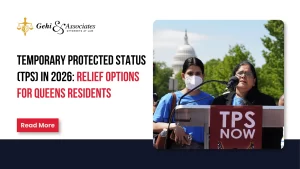
 Temporary Protected Status, TPS, is literally what’s keeping thousands of families in Queens afloat. Work permits, safety, and a roof over your head. It’s not just a document. It’s everything.
Queens is special. Walk down any block in Jackson Heights or Jamaica, and you’re seeing the world. People from Haiti, Venezuela, Ethiopia, and dozens of other countries are all building lives here. Many of those residents are TPS holders.
Real people with kids in local schools, jobs, leases, lives. The federal government’s decisions don’t happen in a vacuum. They land right here, on real families.
TPS isn’t as stable as people once thought. Several countries- Haiti, Venezuela, and Ethiopia faced termination decisions in recent years. Courts stepped in and put the brakes on some of those terminations.
TPS doesn’t give you a green card. It’s protection, yes, really important protection. But it’s not a path to permanent residency. So if you’re thinking long-term (and you should be), you can’t just wait around hoping things stay the same.
That’s why so many Queens residents are now asking, “Okay, what else is out there for me?”
There are other immigration options. Different pathways depending on your situation, family, and work history. A Queens immigration attorney breaks it all down. Current TPS updates, what the eligibility rules look like in 2026, and what options exist beyond TPS for Queens residents.
Key Statistics:
- As of 2025, approximately 70,193 TPS beneficiaries reside in New York State. Making up about 8.1% of all U.S. TPS recipients.
- USCIS requires 100% of TPS applicants to file Form I-821. Making it the universal application form for both initial and renewal TPS cases.
- Re-registration periods commonly last about 60 days, during which eligible TPS holders must submit renewal applications.
- As of recent DHS reporting, 12 countries are designated for TPS.
- 100% of TPS applicants must demonstrate continuous physical presence and residence.
- Some country designations are terminated or extended every 18 months, directly affecting reapplication volumes in boroughs like Queens.
Sources: USCIS
What relief options can TPS holders in Queens apply for in 2026 beyond TPS?
TPS buys you time, but time runs out. The smartest thing you can do is start exploring your long-term options before you’re forced to.
Whether it’s a family-based petition, an employment sponsorship, or another humanitarian pathway. There’s a good chance something exists for your situation; you just have to find out what it is.
Don’t wait for the next court ruling or policy shift to make that decision for you. Talk to a Queens immigration attorney and get a real picture of where you stand.
Family-Based Adjustment of Status
For many TPS holders in Queens, family is the whole ballgame. If you’ve got a close relative who’s a U.S. citizen, you might already be closer to a green card than you think.
Here’s what that actually looks like in practice:
- Immediate relatives of U.S. citizens are in the strongest position. No visa backlog. These cases move faster than other family categories.
- Married to a U.S. citizen? That’s potentially a real, direct pathway to permanent residency right there. It’s one of the most commonly used routes for a reason.
- Some TPS holders can actually adjust their status without leaving the U.S. But this really depends on how and when you entered the country.
Your entry history matters. The Supreme Court ruled that having TPS doesn’t count as “lawful admission” into the U.S.
Some people end up needing consular processing abroad instead, which comes with its own risks. It’s not impossible. But it’s also not something you want to guess your way through. One wrong assumption about your entry history could seriously derail everything.
That’s exactly the kind of situation a Queens immigration attorney helps you untangle. Read stories that inspire.
Asylum (If Conditions Changed)
If the situation in your home country has gotten worse, you might have grounds for an asylum claim.
Here’s what makes asylum really worth understanding:
- TPS can pause the one-year asylum filing deadline. Normally, you have to file within a year of arriving in the U.S. But having TPS can toll that clock in certain situations.
- Changed conditions matter. Maybe things were bad when you left, but now they’re way worse. New threats, targeted persecution, situations that didn’t exist before. All of that can actually strengthen a claim that wasn’t there to begin with.
- Documentation is everything. Country condition reports, personal statements, witness letters, and/or medical records. The stronger your file, the stronger your case. This isn’t something you want to put together loosely.
If it’s approved, it puts you on a direct path to permanent residency. That’s not something TPS can do on its own.
But asylum cases are genuinely complex. They’re emotional, they’re detailed, and the stakes are incredibly high. Getting it wrong isn’t really an option. An asylum attorney can help you figure out whether your situation qualifies.
Special Immigrant Juvenile Status (SIJS)
SIJS is one of those pathways that many people in Queens have never even heard of. For the right person, it can be life-changing.
Here’s who this is actually for:
- You have to be under 21 and unmarried. That’s the starting point. If someone’s aging out of that window soon, time is genuinely not on their side.
- A state court order is required. That means a family court, probate court, or juvenile court here in New York has to be involved.
- The case has to show abuse, neglect, or abandonment. For young people who’ve experienced those things, this status exists specifically to protect them.
SIJS isn’t just protection right now. Over time, it can actually lead to a green card. Permanent residency. A real future here in the U.S. For a young person, that’s stability, safety, and a shot at something solid.
But the process involves both immigration court and state court, and getting both sides right really matters.
Get the legal support you need today by connecting with a domestic violence attorney in Queens.
U Visa for Crime Victims
This is honestly one of the most underused immigration options. If you’re a TPS holder and you’ve been the victim of a crime here in the U.S., you might qualify for a U visa. And many people have no idea this even exists.
Here’s what the U visa actually requires:
- You have to have suffered substantial harm. This covers a really wide range of serious situations that happen more often in immigrant communities than people talk about.
- You have to cooperate with law enforcement. That means helping police or prosecutors with the investigation or prosecution of the crime. But cooperation doesn’t mean you’re on your own. An attorney can help protect you through that process.
- It can lead to permanent residency. A U visa isn’t just temporary relief. After three years, you can actually apply for a green card.
The U visa exists specifically because lawmakers recognized that immigrants are often targeted precisely because they’re afraid to come forward. It’s meant to protect you, not expose you.
If something happened to you and you’ve been quietly carrying that, this might be worth a serious conversation with a Queens immigration attorney. You deserve protection. And you might have more options than you think.
Employment-Based Immigration
This one’s really for the TPS holders who’ve been grinding it out professionally. Building skills, climbing the ladder, and establishing themselves in their field.
Your work history might actually be worth way more than you realize from an immigration standpoint.
Here’s what it actually involves:
- You need an employer willing to sponsor you. Your employer has to be on board, willing to go through the process, and able to demonstrate they need you specifically. Not every boss is going to jump at that, honestly. But more do than you’d think.
- Specialized skills or qualifications really matter here. This pathway tends to work best for people with a specific offering. A particular profession, technical expertise, and years of experience in a specialized field. Think engineers, healthcare workers, educators, skilled tradespeople.
- Processing times vary. Some cases move in months. Others take years. It really depends on your country of birth, your visa category, and what’s happening with backlogs at any given time. So the earlier you start, the better.
Look, this path isn’t for everyone. But for TPS holders who’ve built a solid professional life here in Queens, it’s absolutely worth exploring. A lot of people assume their employer would never go for it, without ever actually having the conversation.
Talk to a Queens immigration attorney first. They can help you figure out whether you’re a strong candidate and how to approach your employer about sponsorship.
Your career built this life. It might just help you keep it permanently.
Get Help with Your TPS Future in Queens Today
TPS has done a real job protecting thousands of Queens families. But if 2026 has made anything crystal clear, it’s this: TPS was never meant to be the final destination. It was always a bridge.
Waiting is actually a decision. And for many TPS holders, waiting is the decision that ends up costing them the most.
Every case is different. Your entry history, family situation, work record, and kids’ ages all shape what options are actually available to you.
A Queens immigration attorney looks at your whole picture. Spotting opportunities you didn’t know existed, and helping you avoid the kind of mistakes that can set you back years. That’s worth a lot when your future is on the line. Book a free consultation now!
FAQs
Is TPS extended to 2026?
Honestly, it depends on where you’re from. Some countries got extensions through court orders, and others are still facing termination decisions. You really need to check your specific country’s designation regularly.
How do you actually apply for TPS?
You’ll file Form I-821 with USCIS, that’s the main application. Most people also file Form I-765 at the same time to get work authorization.
What does it cost to apply?
It varies. You’re looking at filing fees plus biometrics, and if you’re adding work authorization, that’s additional.
Can I apply for TPS on my own?
Technically, yes. But immigration law is really detail-sensitive, and one small mistake can delay your case or make things way more complicated. A lot of people start the process alone and wish they hadn’t. Professional guidance isn’t required, but it’s usually worth it.
How long does TPS actually last?
Typically 6, 12, or 18 months, depending on your country’s designation. The government reviews conditions before each expiration date.
Do I need a job to come to the U.S. under TPS?
No. TPS is based on humanitarian conditions in your home country, not your employment situation.
What if I missed the TPS deadline?
Late filing is possible, but it’s limited to specific situations. You’d need to explain why you missed it and meet certain eligibility criteria.
What are the real limitations of TPS?
TPS doesn’t lead to a green card. It’s temporary, it needs regular renewal, and policy changes can affect your status really quickly.
Can I switch from a TPS to an F-1 student visa?
Yes, changing status is possible, but you must meet all F-1 requirements, and approval isn’t guaranteed.
What happens when TPS expires?
When TPS ends, you revert to your previous immigration status. If you didn’t have any status before TPS, you could find yourself undocumented.